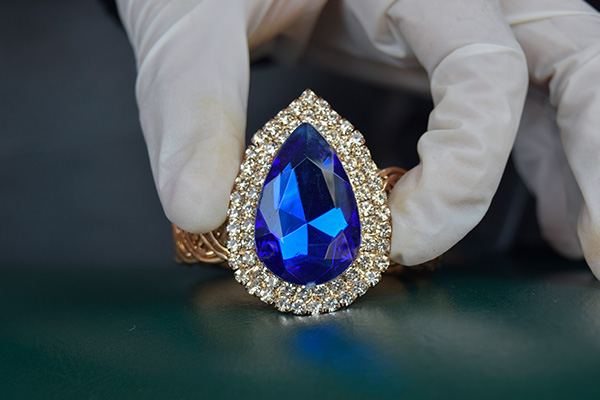
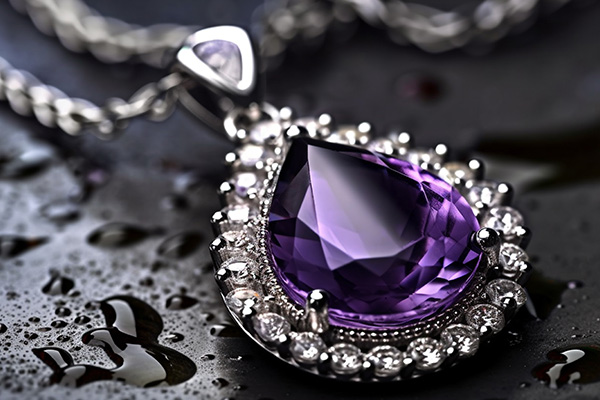
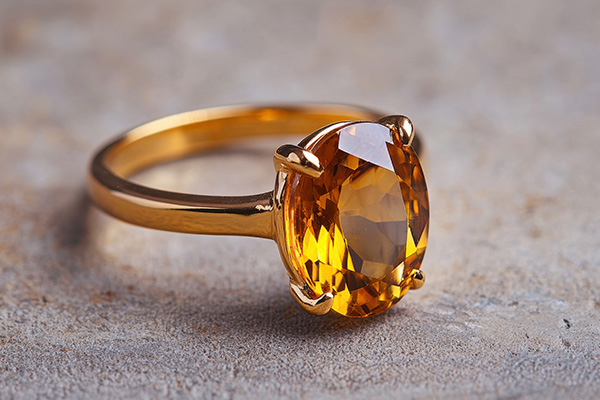
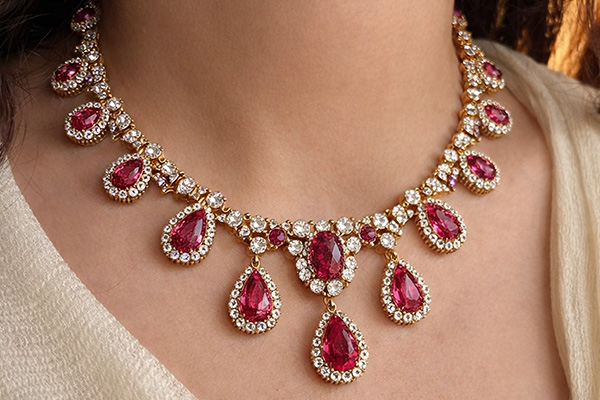
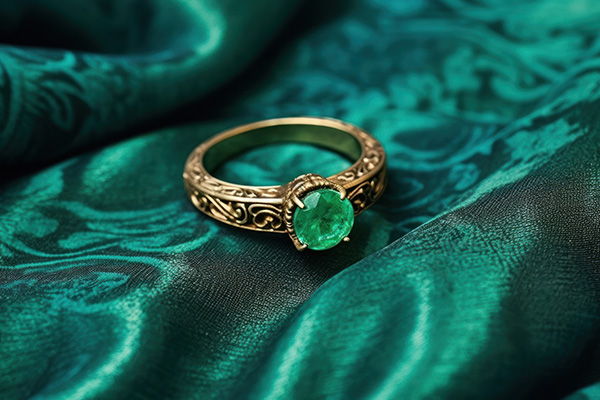
When shopping for colored gemstones, many buyers are surprised to learn that not all stones were exactly as they appear in jewelry displays when mined. Most gemstones on the market today have undergone some form of treatment or enhancement to improve their appearance, durability, or color.
At San Diego Gemological Laboratory, we believe transparency is essential when evaluating gemstones. Our team takes the time to explain what treatments are present, how they affect value, and what buyers should consider before making a purchase.
Understanding gemstone treatments isn’t about avoiding them—it’s about knowing exactly what you’re buying.
What Are Gemstone Treatments?
Gemstone treatments are processes used to enhance a stone’s appearance, durability, or color. These treatments are common across the industry and can range from traditional, widely accepted methods to more specialized processes.
Most gemstones fall into one of two categories:
Untreated (natural state)
Treated or enhanced
Both can be beautiful, but they differ in rarity, value, and disclosure standards.
Common Types of Gemstone Treatments
Heat Treatment
One of the most widely accepted and commonly used treatments, especially for sapphires and rubies.
Heat treatment can:
Improve color intensity
Remove or reduce inclusions
Increase clarity and transparency
Heat-treated gemstones are considered stable and permanent.
Fracture Filling
Used primarily in emeralds and other stones with natural surface-reaching fractures.
This process involves filling cracks with oils, resins, or glass-like substances to improve clarity.
While common, fracture filling:
May require maintenance over time
Can affect long-term durability
Is typically disclosed at the time of sale
Irradiation
Used to enhance or change color in certain gemstones.
This treatment can:
Deepen or alter color
Be stable depending on the gemstone type
Require proper disclosure
Dyeing
Some porous gemstones are dyed to enhance or change color.
This is less common in fine jewelry gemstones and generally considered a more noticeable and less permanent treatment.
Surface Coating
A thin layer is applied to improve or alter appearance.
Coatings can:
Enhance color temporarily
Wear off over time
Require careful handling
Are Treated Gemstones “Real”?
Yes. Treated gemstones are still genuine natural stones. The treatments do not change the fact that the stone originated in nature.
The key difference is that treatments modify appearance or clarity to improve how the gemstone looks in jewelry.
What matters most is:
Whether treatments are disclosed
How stable the treatment is
How the treatment affects value and durability
Do Treatments Affect Value?
Yes—but not always negatively.
Value depends on:
Type of treatment
Rarity of the gemstone
Overall beauty and desirability
Market demand
For example:
Heat-treated sapphires are widely accepted and still highly valuable
Heavily fracture-filled emeralds may be less valuable than minimally treated stones
Untreated gemstones are often rarer and can command premium pricing if their appearance is acceptable without treatment
What Buyers Should Ask Before Purchasing a Gemstone
Before buying colored gemstone jewelry, ask:
Has this gemstone been treated?
What type of treatment was used?
Is the treatment stable and permanent?
How does the treatment affect value?
Is this disclosed on documentation or appraisal?
These questions help ensure transparency and confidence in your purchase.
How Treatments Affect Different Gemstones
Sapphires and Rubies
Most commonly heat-treated. Untreated stones are rare and significantly more expensive.
Emeralds
Often oiled or fracture-filled due to natural inclusions.
Aquamarine and Topaz
Sometimes heat-treated to improve color consistency.
Tourmaline and Garnet
May be lightly treated depending on the variety, but many remain untreated.
Untreated vs. Treated: Which Is Better?
Neither is automatically better. It depends on what the buyer values.
Untreated gemstones:
Rarer
Often more expensive
Highly sought after by collectors if the appearance is desirable without treatment
Treated gemstones:
More accessible price points
Enhanced appearance
Widely available and commonly used in fine jewelry
Many customers choose based on budget, color preference, and intended use rather than treatment status alone.
The Bottom Line on Gemstone Treatments
Gemstone treatments are a normal and widely accepted part of the jewelry industry, but they should never be a mystery to the buyer.
At Leo Hamel Fine Jewelers, they believe in explaining every detail clearly so customers understand exactly what they’re choosing—whether it’s a sapphire engagement ring, an emerald pendant, or a one-of-a-kind gemstone piece.
Because when it comes to fine jewelry, knowledge isn’t optional—it’s essential.
FAQ: Gemstone Treatments and Enhancements
1. Are treated gemstones real gemstones?
Yes. Treated gemstones are still natural stones that have been enhanced to improve appearance or durability.
2. What is the most common gemstone treatment?
Heat treatment is the most common, especially for sapphires and rubies.
3. Do gemstone treatments lower value?
It depends on the treatment. Some are widely accepted, while others can reduce value.
4. Are untreated gemstones better?
Not necessarily. Untreated stones are rarer, but treated stones can offer better value and appearance.
5. How can I tell if a gemstone is treated?
A reputable jeweler should disclose all treatments and explain them clearly.
6. Are emeralds usually treated?
Yes. Many emeralds are oiled or fracture-filled to improve clarity.
7. Is heat treatment permanent?
Yes. Heat treatment is considered stable and permanent.
8. Should gemstone treatments be disclosed?
Yes. Ethical jewelers always disclose treatments at the time of sale.
9. Do treatments affect durability?
Some treatments are stable, while others (like coatings or fillings) may require care.
10. Why are treated gemstones so common?
Because treatments improve color and clarity, making gemstones more attractive and accessible to buyers.