619 286 6614

What Makes a Professional Appraisal “Credible”? Key Standards Followed by GIA Graduate Gemologists

When an appraisal is needed for estate distribution, insurance, legal matters, or financial planning, credibility isn’t optional—it’s essential. A professional appraisal must stand up to scrutiny from attorneys, courts, insurance companies, executors, and beneficiaries, not just look official on paper.

So what actually makes an appraisal credible?

Below is a clear, behind-the-scenes look at the standards, training, and ethical requirements that define a professional appraisal prepared by a GIA Graduate Gemologist.

Gloved hands holding a round brilliant diamond with tweezers over a professional color grading card during gemstone appraisal
Detailed gemstone examination performed during professional jewelry appraisal analysis

A Credible Appraisal Is Written—Not Verbal

Gold bracelet watch and matching jewelry pieces evaluated for authenticity and value during appraisal
Written appraisal reports provide documentation for legal, estate, and insurance needs

A professional appraisal is always a formal written document, not a verbal opinion or a quick estimate.

A credible appraisal includes:

  • A detailed description of each item
  • Gemstone identification and grading (when applicable)
  • Metal type and quality
  • Measurements and weights
  • Photographic documentation
  • The intended use of the appraisal (estate, insurance, charitable donation, etc.)
  • A clearly defined value conclusion
  • The appraiser’s credentials and signature

Verbal estimates, online calculators, and informal opinions do not meet professional or legal standards and should never be used for estate matters.

Education Matters: GIA Graduate Gemologist Training

Jewelry appraiser using a loupe and precision scale to assess gold rings and fine jewelry
Specialized instruments used in professional gemstone identification

One of the most important indicators of appraisal credibility is formal gemological education.

A GIA Graduate Gemologist (G.G.) has completed extensive coursework through the Gemological Institute of America, covering:

  • Diamond grading and identification
  • Colored stone identification
  • Synthetic and treated gemstone detection
  • Laboratory instrumentation and analysis

This training allows a gemologist to identify gemstones accurately—often without removing them from their settings—and to detect treatments or synthetics that can significantly affect value.

Adherence to Professional Appraisal Standards

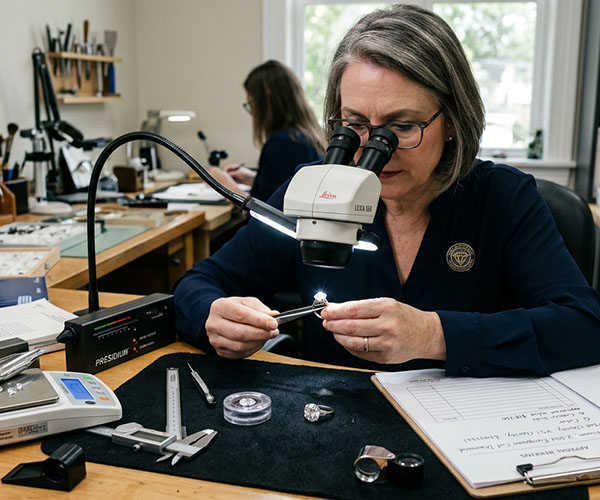
Professional gemological analysis of a gemstone using a microscope in a controlled laboratory environment
Professional gemological analysis performed in a controlled laboratory setting

Credible appraisals follow recognized appraisal methodologies and ethical standards, including:

  • Proper market definition (e.g., fair market value vs. replacement value)
  • Transparent valuation logic
  • Clear disclosure of assumptions and limiting conditions
  • Independence from buying or selling interests

An appraisal must be objective and unbiased. When an appraiser does not buy or sell jewelry, watches, or gemstones, the valuation remains free from conflicts of interest.

The Importance of Intended Use

One of the most common mistakes people make is using the wrong type of appraisal.

A credible appraisal clearly states its purpose, such as:

  • Estate distribution or probate
  • Insurance coverage
  • Charitable donation
  • Legal or divorce proceedings

Each purpose requires a different valuation approach. An appraisal prepared for insurance replacement, for example, may not be appropriate for estate settlement. Using the wrong appraisal can lead to tax issues, disputes, or financial loss.

Documentation & Traceability

Diamond ring weighed on a digital scale as part of a professional jewelry appraisal process
Fine watches require specialized inspection techniques during appraisal

Professional appraisals are fully documented so the conclusions can be reviewed and understood by third parties.

This includes:

  • High-quality photographs
  • Clear item numbering
  • Consistent terminology
  • Record retention for future reference

This level of documentation is especially important when multiple heirs are involved or when appraisals may be reviewed years later.

Ethics, Independence & Confidentiality

Credibility also depends on professional ethics.

A qualified appraiser:

  • Works independently
  • Does not pressure clients to buy or sell
  • Maintains strict confidentiality
  • Provides impartial conclusions—even when values are unexpected

This ethical framework protects clients and ensures trust in sensitive situations such as inheritance and estate planning.

Experience with Complex Estates

Professional gemstone identification tool used to examine loose diamonds during jewelry appraisal
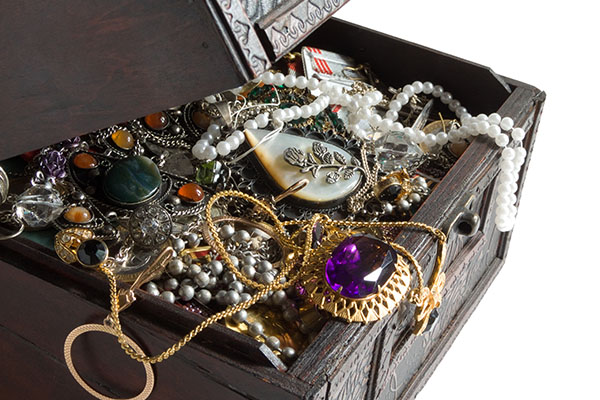
Inherited jewelry often includes a mix of fine and costume pieces requiring professional evaluation

Estate appraisals often involve:

  • Mixed collections of fine and costume jewelry
  • Loose gemstones and mounted stones
  • Fine watches
  • Incomplete documentation or family history

A credible appraiser has the experience to sort, identify, and properly categorize each item, ensuring accuracy and fairness during estate distribution.

Why Credentials Should Always Be Listed

A professional appraisal always includes the appraiser’s full credentials, allowing attorneys, courts, and institutions to verify qualifications.

At San Diego Gemological Laboratory, all appraisals are performed by Elliot Grunwald, a GIA Graduate Gemologist and a Certified Member of National Association of Jewelry Appraisers (NAJA), bringing both technical expertise and professional appraisal standards to every evaluation.

Final Thoughts

A credible appraisal is not defined by how impressive it looks—it’s defined by education, methodology, documentation, ethics, and independence.

Whether you’re settling an estate, dividing inherited jewelry, or documenting valuable assets, choosing a properly credentialed gemologist ensures your appraisal will be accurate, defensible, and respected by all parties involved.

If you need a professional written appraisal, appointments are required to ensure privacy, security, and the time necessary for a thorough evaluation. For more information, visit https://www.sdgemlab.com/.

To make an appointment, call 619-286-6614. We schedule appointments Tuesday through Saturday between the hours of 11:00 AM and 4:00 PM Pacific Time.