Lab-Grown vs. Natural Diamonds: Appraisal Differences Explained
When it comes to determining the value of a diamond, one of the most common questions we hear at San Diego Gemological Laboratory is: “Are lab-grown diamonds appraised differently than natural diamonds?”
The short answer: yes—but not for the reasons most people think.
In this guide, we’ll break down the key differences between lab-grown and natural diamond appraisals, explain how both are evaluated, and clarify an important truth: lab-grown diamonds are real diamonds in every scientific sense.
What Are Lab-Grown and Natural Diamonds?
Natural Diamonds (Earth-Mined)
Natural diamonds are formed deep within the Earth over billions of years under extreme heat and pressure. They are mined from the earth and then cut, polished, and graded.
Lab-Grown Diamonds
Lab-grown diamonds are created in controlled laboratory environments using advanced technological processes such as:
High Pressure High Temperature (HPHT)
Chemical Vapor Desposition (CVD)
These processes replicate the natural conditions under which diamonds form.
Are Lab-Grown Diamonds Real Diamonds?
Yes – 100%. Lab-grown diamonds are:
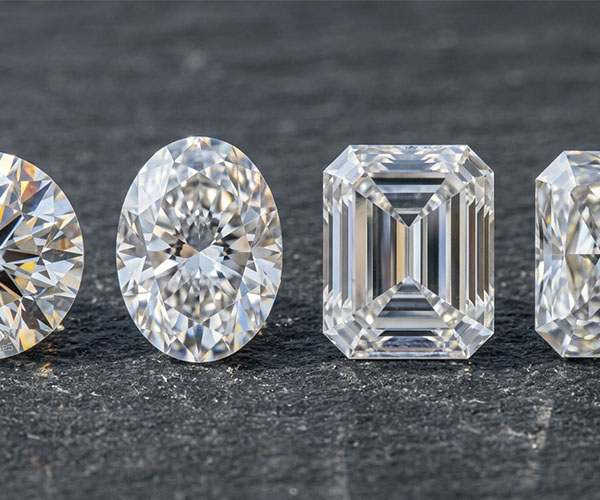
Optically identical to natural diamonds (same brilliance and sparkle)
Physically identical (same hardness, durability, and density)
They are not simulants like cubic zirconia or moissanite. Even trained gemologists require specialized equipment to distinguish between lab-grown and natural diamonds.
How Diamond Appraisals Work
A professional diamond appraisal evaluates several key factors:
1. The 4Cs
Carat Weight
Cut
Color
Clarity
2. Market Conditions
Supply and Demand
Retail Replacement Cost
Brand of Designer Influence (when set in jewelry)
3. Diamond Origin
Lab-grown origin
Natural origin (earth-mined)
Key Differences in Appraisal: Lab-Grown vs. Natural Diamonds
1. Market Value & Pricing Structure
Natural Diamonds
Typically retain higher long-term value
Limited supply contributes to pricing stability
Stronger resale and secondary market demand
Lab-Grown Diamonds
More affordable due to scalable production
Prices have decreased over time as technology improves
Significantly lower resale value compared to natural diamonds
Appraisal Insight:
Even though lab-grown diamonds are physically identical to earth-mined diamonds, they are more plentiful and can be created on demand. This lack of rarity causes their market value to be lower, which directly impacts appraisal value.
2. Replacement Value in Appraisals
Jewelry appraisals are typically based on retail replacement value, not resale value.
Lab-grown diamonds will have a lower replacement cost
Natural diamonds will reflect higher replacement pricing
This is especially important for insurance purposes, where accuracy matters.
3. Identification & Documentation
Professional appraisals must clearly identify:
Whether a diamond is lab-grown or natural
The grade of the diamond – cut, clarity, color, carat weight
Other physical characteristics of this diamond (fluorescence, inclusions, chips)
Any laser inscriptions or identifying features
Advanced gemological tools are often used to confirm origin.
4. Market Perceptions & Demand
While lab-grown diamonds are growing in popularity, natural diamonds still carry:
Historical significance
Rarity perception
Stronger luxury association
These factors influence appraisal value, even though they dont affect the diamond’s physical properties.
Why Accurate Diamond Appraisals Matter
Whether your diamond is lab-grown or natural, an accurate appraisal is essential for:
Insurance coverage
Estate planning and inheritance value
Divorce or legal documentation
At San Diego Gemological Laboratory, we specialize in independent, unbiased appraisals for both lab-grown and natural diamonds.
Choosing Between Lab-Grown and Natural Diamonds
Both options offer unique advantages:
Choose Lab-Grown Diamonds If You Want:
Larger size for your budget
Exceptional quality at a lower price point
Environmental controlled production
Choose Natural Diamonds If You Value:
Rarity and some long-term value
Traditional significance
Stronger resale potential
From an appraisal standpoint, the difference comes down to market economics – not quality.
The Bottom Line
Lab-grown and natural diamonds are scientifically identical, but their appraisal values differ due to market dynamics, rarity, and consumer demand.
Understanding these differences ensures you:
Get accurate insurance coverage
Make informed purchasing decisions
Know the true value of your jewelry
Schedule a Professional Diamond Appraisal
If you need a trusted, expert written evaluation, San Diego Gemological Laboratory provides comprehensive diamond appraisals for both lab-grown and natural diamonds.
Contact us today to ensure your jewelry is accurately valued and fully protected.
Frequently Asked Questions (FAQ)
Are lab-grown diamonds worth less than natural diamonds?
Yes. While they are physically identical, lab-grown diamonds typically have lower market value due to higher supply and lower production costs.
Can a jeweler tell the difference between lab-grown and natural diamonds?
Not always with the naked eye. Specialized gemological equipment is often required to accurately determine origin.
Do lab-grown diamonds appraise the same as natural diamonds?
No. The grading process is the same, but the final appraised value is usually lower for lab-grown diamonds.
Are lab-grown diamonds good for insurance purposes?
Yes. They can and should be appraised for insurance, but the replacement value will reflect their current market pricing.
Do lab-grown diamonds hold their value?
They generally do not retain value as well as natural diamonds due to ongoing advancements in production and price reductions.
Should I get my lab-grown diamond appraised?
Maybe. If your insurance company requires a professional written appraisal to determine replacement value, if you are evaluating an estate for inheritance, if you are getting a divorce and splitting assets, a written appraisal may be useful. A written appraisal is not necessary if you only want to sell your jewelry.
Do lab-grown diamonds test as real diamonds on a diamond tester?
Yes. Lab-grown diamonds will test as real diamonds on standard diamond testers because they have the same thermal and electrical conductivity as natural diamonds.
Why are lab-grown diamonds cheaper than natural diamonds?
Lab-grown diamonds are more affordable because they can be produced in controlled environments, increasing supply and reducing rarity—unlike natural diamonds, which are limited by nature.
Can lab-grown diamonds be certified and graded?
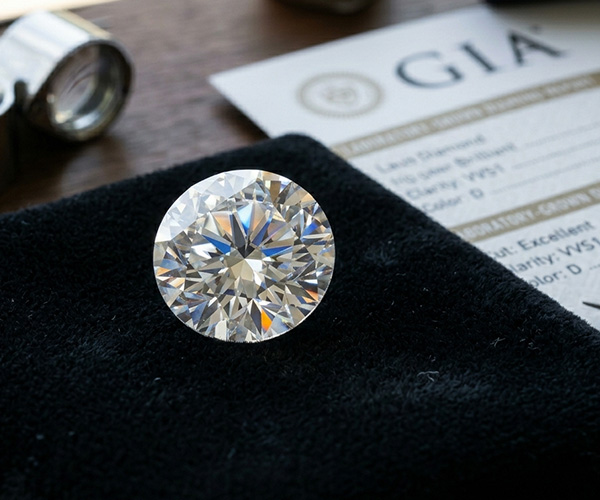
Yes. Lab-grown diamonds can be graded and certified by major gemological laboratories using the same standards as natural diamonds, including the 4Cs.
Does the origin of a diamond affect its insurance coverage?
Yes. The origin (lab-grown vs. natural) affects the appraised value, which directly impacts the amount of insurance coverage needed and the replacement cost.
Are lab-grown diamonds a good investment?
Lab-grown diamonds are generally not considered strong long-term investments, as their value tends to decrease over time due to advances in production and increased availability.