619 286 6614

The Hidden Value of Inherited Jewelry
What Heirs Often Overlook—and How an Appraisal Reveals It

Inheriting jewelry can be emotional. A ring, necklace, or watch may carry deep family meaning—yet its true value is often unclear. Many heirs assume inherited pieces are either priceless (purely sentimental) or “probably not worth much,” and both assumptions can lead to costly mistakes.
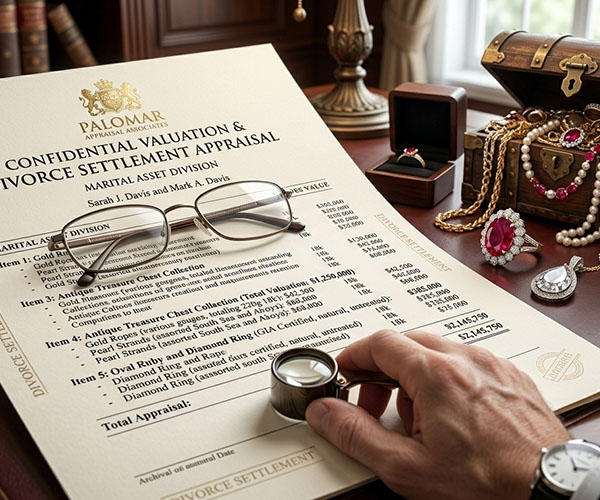
At San Diego Gem Lab, we help clients uncover the real story behind inherited jewelry through professional appraisal services—revealing the hidden value, protecting your assets, and giving you clarity on what you actually own.

Why Inherited Jewelry Is Often Misunderstood

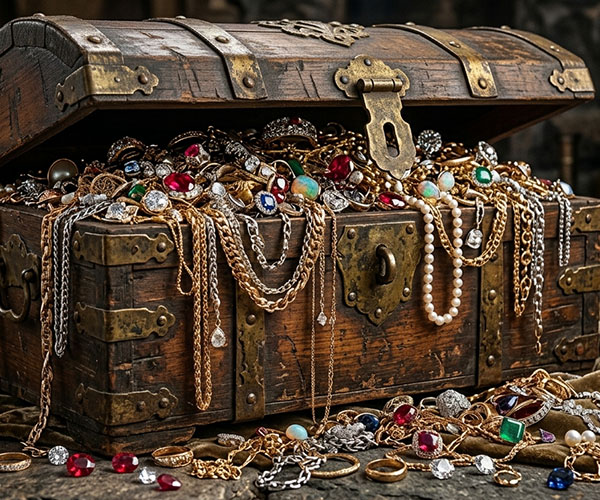
A box of inherited jewelry

Most people don’t realize how often inherited jewelry is incorrectly valued. That’s because jewelry value isn’t determined by age or appearance alone—it depends on a combination of materials, craftsmanship, brand, gemstone quality, and market demand.

Here’s what heirs often overlook:

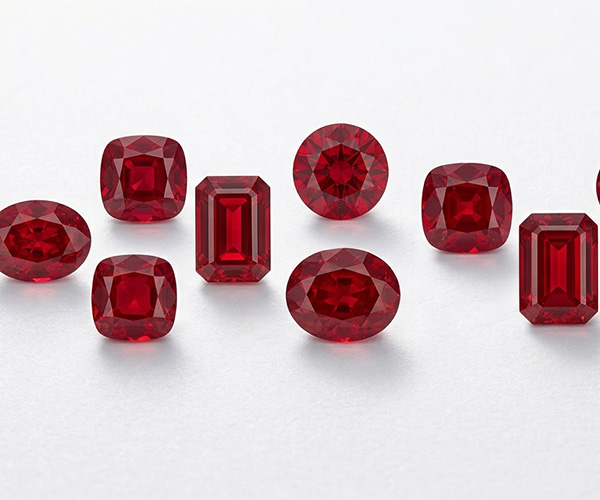
  • Gemstones may be higher quality than expected (cut, clarity, carat weight, color)

  • Older pieces may contain natural stones that are increasingly rare today

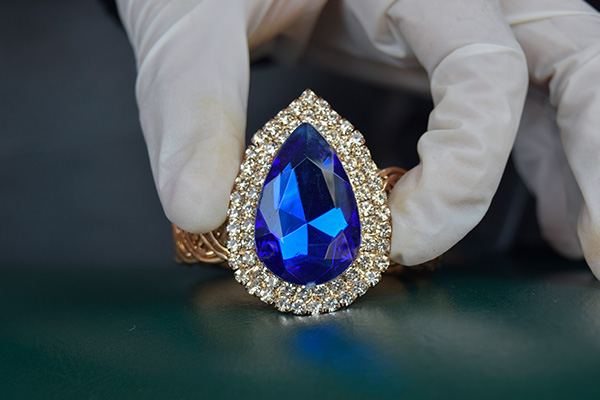
  • Some items are fine jewelry, while others are costume—many people can’t tell the difference

  • Vintage settings may have handcrafted details that increase value

  • Certain brands, designer signatures, or hallmarks can elevate worth significantly

Even jewelry that looks “simple” may have meaningful value once properly evaluated.

The Hidden Value People Miss (Until It’s Too Late)

Inherited jewelry is commonly undervalued until something forces a decision—like selling, dividing assets, moving, or insurance needs. Without documentation, heirs may unknowingly lose value.

Common scenarios we see:

  • Family members dispute value during inheritance division

  • People sell to the first buyer and later discover the item was worth far more

  • Jewelry is insured for the wrong amount (too low or too high)

  • Pieces are stored without protection, then damaged or lost

  • Old jewelry is redesigned without realizing it included valuable stones or craftsmanship

A professional appraisal eliminates guesswork and helps you make decisions from a place of certainty.

How a Professional Jewelry Appraisal Reveals True Worth

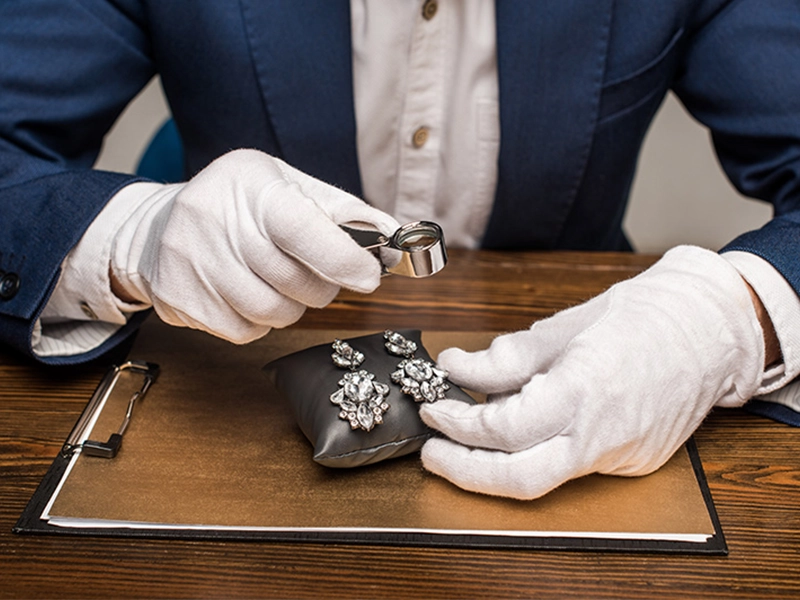
a jewelry appraiser wearing white gloves inspects a gold and diamond bracelet using a magnifying a glass

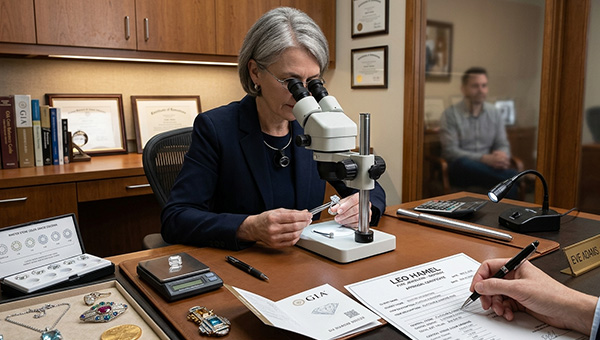
A jewelry appraisal isn’t just a quick estimate. It’s a detailed evaluation based on measurable characteristics—backed by documentation.

At San Diego Gem Lab, a professional appraisal typically includes:

  • Identification of precious metals (gold, platinum, etc.)

  • Evaluation of gemstones (diamond grading, colored stone analysis)

  • Review of condition, setting quality, and craftsmanship

  • Identification of hallmarks, maker’s marks, or designer branding

  • Market-based pricing and replacement value when applicable

  • A written appraisal report that can be used for insurance or estate purposes

This process often reveals important details heirs didn’t know existed—such as upgraded stones, designer origins, or higher-grade materials.

Why Appraisals Matter for Heirs (Insurance, Estate, Selling, and Peace of Mind)

A jewelry appraisal is one of the smartest first steps heirs can take—especially before selling, dividing, gifting, or insuring inherited items.

An appraisal helps you:

  • Protect your jewelry with proper insurance coverage

  • Divide inherited assets fairly among family members

  • Establish documentation for estate and probate needs

  • Make informed decisions about selling or keeping

  • Avoid underpricing, disputes, and permanent loss of value

Inherited jewelry is more than an object—it’s a financial asset with personal meaning. A professional appraisal gives you clarity, confidence, and protection.

Schedule a Jewelry Appraisal with San Diego Gem Lab

If you’ve inherited jewelry and want to understand what it’s truly worth, San Diego Gem Lab is here to help. We provide professional jewelry appraisals with detailed reporting and expert evaluation—so you know exactly what you have and what to do next.