When an appraisal is needed for estate distribution, insurance, legal matters, or financial planning, credibility isn’t optional—it’s essential. A professional appraisal must stand up to scrutiny from attorneys, courts, insurance companies, executors, and beneficiaries, not just look official on paper.
So what actually makes an appraisal credible?
Below is a clear, behind-the-scenes look at the standards, training, and ethical requirements that define a professional appraisal prepared by a GIA Graduate Gemologist.
A professional appraisal is always a formal written document, not a verbal opinion or a quick estimate.
A credible appraisal includes:
Verbal estimates, online calculators, and informal opinions do not meet professional or legal standards and should never be used for estate matters.
One of the most important indicators of appraisal credibility is formal gemological education.
A GIA Graduate Gemologist (G.G.) has completed extensive coursework through the Gemological Institute of America, covering:
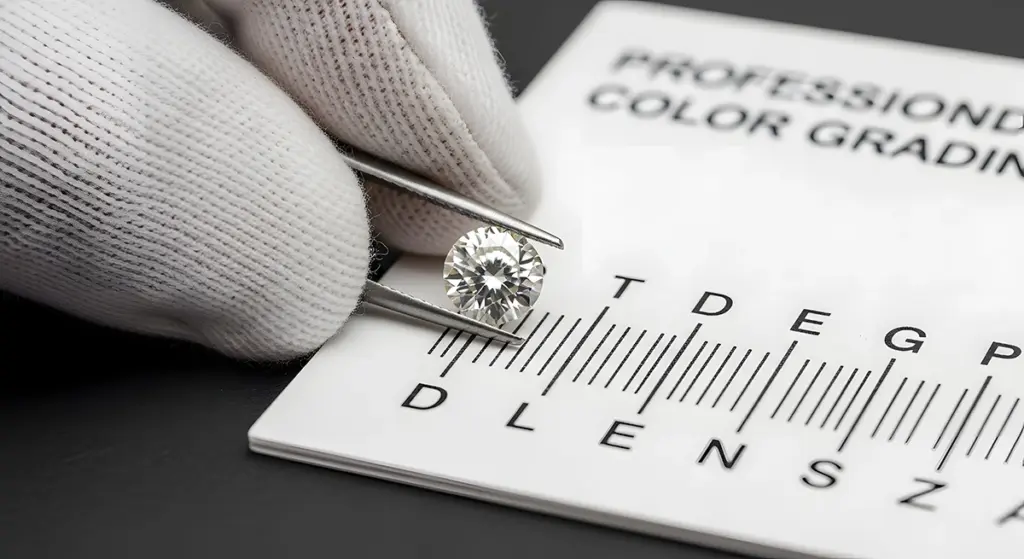
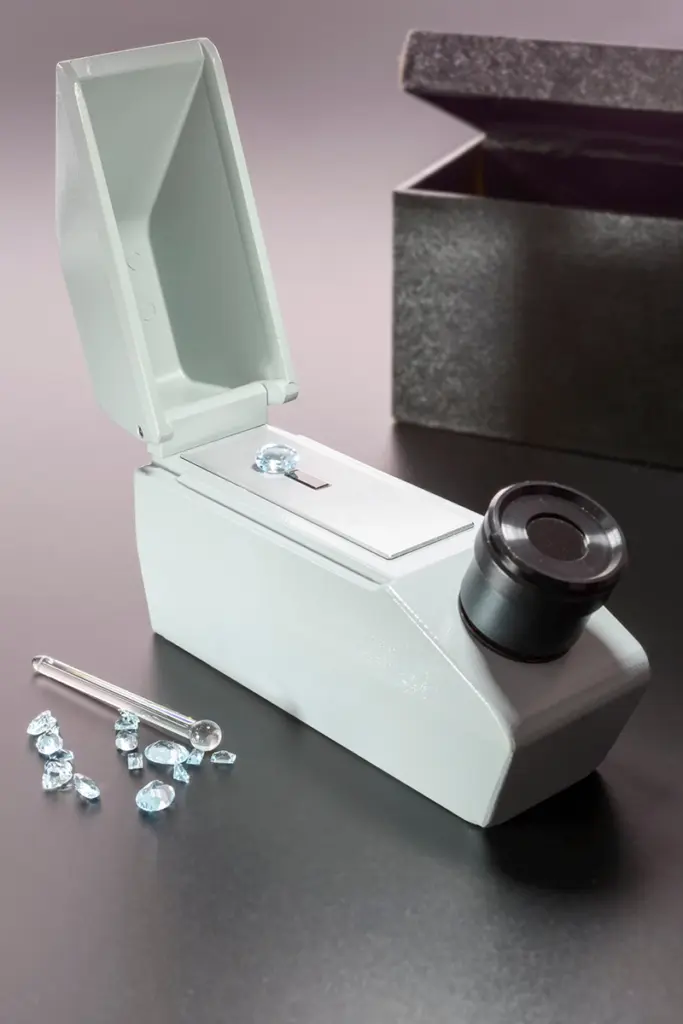
This training allows a gemologist to identify gemstones accurately—often without removing them from their settings—and to detect treatments or synthetics that can significantly affect value.
Credible appraisals follow recognized appraisal methodologies and ethical standards, including:
An appraisal must be objective and unbiased. When an appraiser does not buy or sell jewelry, watches, or gemstones, the valuation remains free from conflicts of interest.
One of the most common mistakes people make is using the wrong type of appraisal.
A credible appraisal clearly states its purpose, such as:
Each purpose requires a different valuation approach. An appraisal prepared for insurance replacement, for example, may not be appropriate for estate settlement. Using the wrong appraisal can lead to tax issues, disputes, or financial loss.
Professional appraisals are fully documented so the conclusions can be reviewed and understood by third parties.
This includes:
This level of documentation is especially important when multiple heirs are involved or when appraisals may be reviewed years later.
Credibility also depends on professional ethics.
A qualified appraiser:
This ethical framework protects clients and ensures trust in sensitive situations such as inheritance and estate planning.
Estate appraisals often involve:
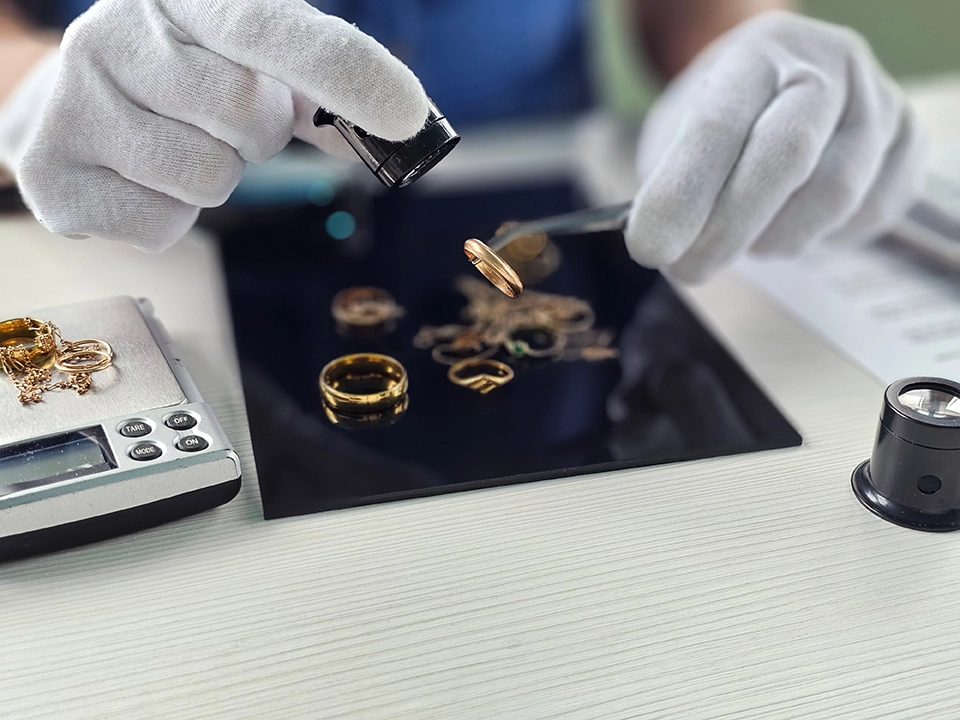
A credible appraiser has the experience to sort, identify, and properly categorize each item, ensuring accuracy and fairness during estate distribution.
A professional appraisal always includes the appraiser’s full credentials, allowing attorneys, courts, and institutions to verify qualifications.
At San Diego Gemological Laboratory, all appraisals are performed by Elliot Grunwald, a GIA Graduate Gemologist and a Certified Member of National Association of Jewelry Appraisers (NAJA), bringing both technical expertise and professional appraisal standards to every evaluation.
A credible appraisal is not defined by how impressive it looks—it’s defined by education, methodology, documentation, ethics, and independence.
Whether you’re settling an estate, dividing inherited jewelry, or documenting valuable assets, choosing a properly credentialed gemologist ensures your appraisal will be accurate, defensible, and respected by all parties involved.
If you need a professional written appraisal, appointments are required to ensure privacy, security, and the time necessary for a thorough evaluation. For more information, visit https://www.sdgemlab.com/.
To make an appointment, call 619-286-6614. We schedule appointments Tuesday through Saturday between the hours of 11:00 AM and 4:00 PM Pacific Time.